As a parent, you are naturally vigilant when it comes to your child’s well-being. However, caring for your child’s vision can sometimes be overwhelming. At our practice, we’re here to assist you in looking out for signs that might indicate potential visual issues in your child.
Key Visual Signs to Watch for in Children
Several common signs may indicate your child is experiencing visual difficulties. If you notice any of the following, it may be time for an eye evaluation:
- Sitting too close to the TV
- Holding a phone or tablet too close (This is a bad habit because they like the magnification.)
- Preferring to sit on one side of the TV and become upset if that spot is taken, which could mean they favour one eye, indicating difficulty using both eyes together.
- Bad or skewed handwriting
- Closing one eye, especially in bright sunlight
- Clumsiness (This could indicate poor spatial awareness or depth perception, suggesting an eye teaming issue)
- Difficulty finding objects in plain sight, such as when asked to find something in the cupboard, they claim it’s missing when it’s right in front of them—this could be a sign of poor figure-ground skills, where they struggle to visually isolate objects from a cluttered background.
- Dislike or difficulty with puzzles
- Slow reading, losing their place, or re-reading the same line repeatedly
- Using a finger or ruler to read
- Frequent headaches, especially after school
- Squinting their eyes
These signs could indicate a refractive error (the need for spectacles) or binocular vision issues, where the eyes struggle to work as a team.
Potential Indicators of Eye Health Problems
In addition to visual issues, parents should also be on the lookout for signs that could point to an eye health issue, such as:
- Rubbing their eyes (This could indicate allergic eye or dry eye)
- Excessive blinking
- Tearing or watery eyes (A potential sign of dry eyes)
- Complaints of itchy, gritty, or irritated eyes (Though children may not always have the words to describe it, this can point to allergic or dry eyes)
- Red eyes
- Waking up with mucus or “sand” in the corners of their eyes
Not all eye conditions present clear signs early on, and symptoms may only become noticeable later, particularly with conditions like dry eye. This makes routine eye evaluations essential for children, teenagers, and adults alike, not just to check for the need for spectacles but also to assess the overall health of the eye.
The Dangers of Allergic Eye: What You Need to Know
One important note for parents: if your child suffers from sinus issues, hay fever, sneezes, or coughs during the seasonal transition from winter to spring, there’s a high likelihood they may also experience allergic eye. This condition can lead to excessive eye rubbing, which poses serious risks to the physical structures of the eye.
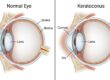
Excessive eye rubbing may result in keratoconus, a condition where the cornea loses its shape and integrity. If left undetected, keratoconus can lead to progressive visual impairment, which can be difficult and expensive to manage.
Protect Your Child’s Vision with Regular Eye Exams
Your child’s eyes are incredibly valuable, and so is their overall well-being. Regular eye exams ensure that your child’s vision develops properly and remains healthy. By being aware of the signs of visual issues, you can take proactive steps to protect your vision and prevent any long-term complications.
Schedule Your Child’s Eye Exam Today
Our practice is dedicated to helping parents take care of their children’s vision and overall eye health. If you’ve noticed any of the signs mentioned above, or even if it’s simply time for a routine check-up, book an eye evaluation with us today. Early detection is key to preventing long-term visual issues and ensuring your child’s eyes remain healthy and strong.