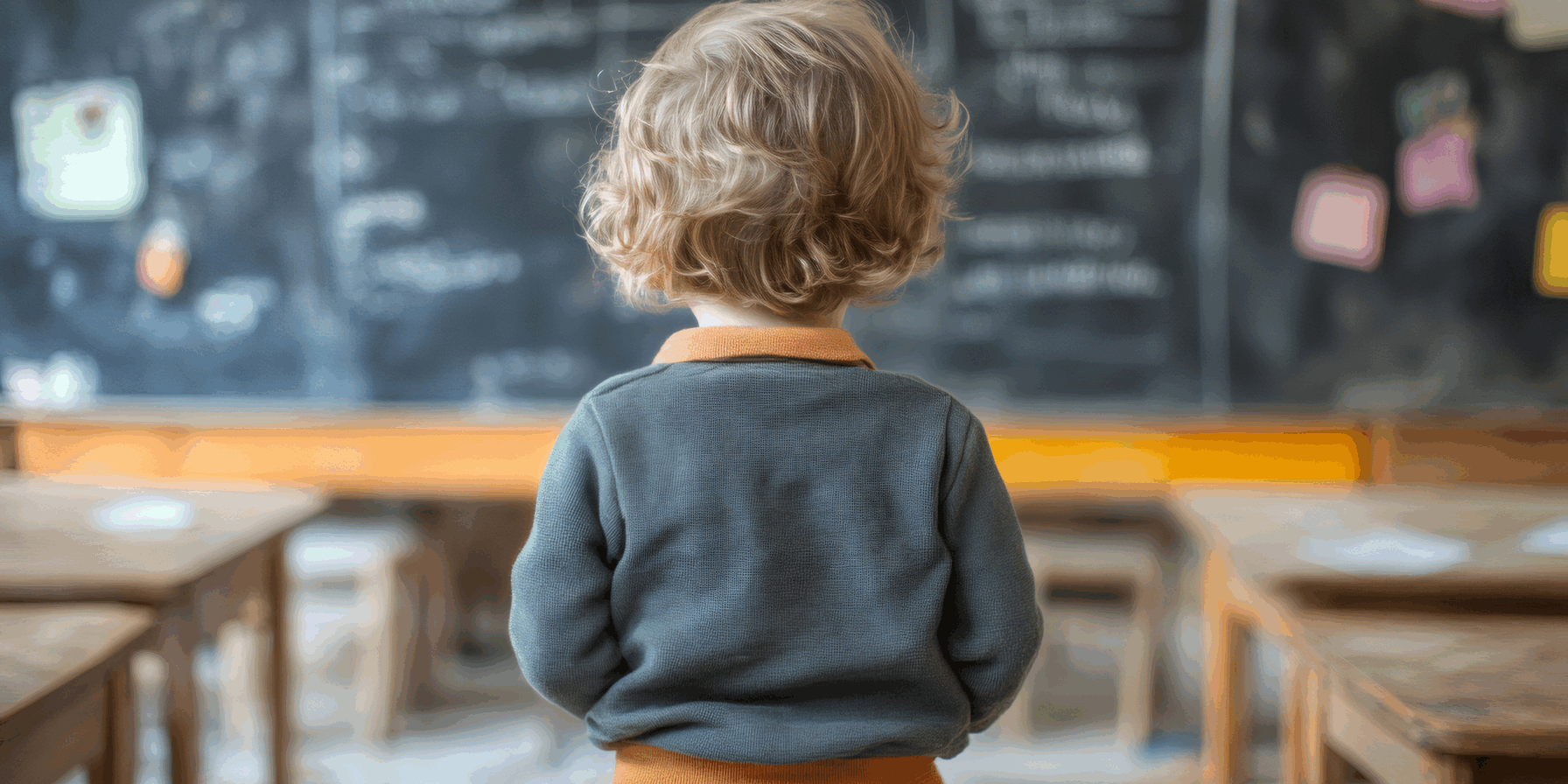
In many education systems, there is a one-size-fits-all syllabus that all students are expected to follow. While this may work for some, it is far from optimal for every individual learner.
Thankfully, some schools have recognised that each child is unique, with different learning styles and challenges — but catering to all of them effectively can be difficult.
The Different Learning Styles
We often talk about three main learning styles:
- Visual learners – learn best through seeing information
- Auditory learners – learn best through listening
- Kinaesthetic learners – learn best through hands-on experience and movement
When I visit schools for screenings, I often see posters asking: “Which type of learner are you?”
It’s an important question — but sometimes we need to ask why a student favours a particular learning style.
When Learning Styles Are a Result of Compensation
Take, for example, the auditory learner. Why would a student rely heavily on listening when most schoolwork requires a lot of reading?
With tools like text-to-voice software, AI learning aids, voice notes, and recorded lectures, auditory learners can thrive.
I recently saw a patient who failed Grade 10 twice in a mainstream school. When he moved to online schooling, he flourished — largely because he could listen to recorded lectures repeatedly.
He was suspected of having dyslexia, but my examination told a different story:
- Slight misalignment of the eyes
- Accommodation issues (difficulty focusing)
- Uncorrected refractive error
This led to a complete avoidance of reading, not because of a learning disability, but because his visual system was under strain. Naturally, he relied more on hearing than on visual input.
Vision: The Overlooked Learning Factor
So, is someone an auditory learner by preference — or because they’re compensating for a visual problem?
And wouldn’t most students be more efficient if they used a combination of learning styles?
Depending on the source, 80% of what we learn is through our eyes. That means optimising vision should be a priority in education.
Visual-Auditory Integration: How the Brain Learns Best
The visual system and the speech-auditory system are meant to work together.
When we can verbally describe (out loud or in our minds) what we see, our visual processing becomes more advanced. This is called visual-auditory integration — and it’s crucial for learning.
When there’s a mismatch between visual and auditory cues, it can lead to:
- Confusion
- Misunderstandings
- Poor memory recall
- Weaker academic performance
In the classroom, we combine these systems constantly — listening to a teacher while looking at slides, reading while taking notes, or hearing instructions while watching demonstrations.
Even kinaesthetic learning involves vision — when writing, we are also reading what we write, engaging visual-motor input.
When to Involve Other Specialists
If a child is predominantly a visual learner, we should also explore their auditory system by referring to an audiologist.
If a child struggles with kinaesthetic learning, it could be related to fine motor skills — in which case an occupational therapist could help.
In some cases, collaboration with:
- Vision therapists
- Audiologists/Speech therapists
- Occupational therapists
- Educational psychologists
- Remedial therapists
…may be necessary to help the child catch up and reach their full learning potential.
Final Thoughts: Give Every Learner a Fair Chance
Every learner — child or adult — should have the opportunity to perform at their best.
That starts with a full comprehensive eye examination, including binocular vision testing. Only then can we ensure that visual issues aren’t holding someone back.
Book a Comprehensive Vision Assessment
If you or your child is struggling with learning — whether visual, auditory, or kinaesthetic — start by checking if the visual system is working optimally.
📅 Book your eye examination today and give yourself or your child the best possible learning advantage.