When people hear “optometrist,” they often think “glasses.” But we are so much more than that. Optometrists are Primary Health Care Practitioners, playing a crucial role not just in vision correction, but in early disease detection, education, and overall well-being.
What Is a Primary Health Care Practitioner?
Primary health care practitioners are the first point of contact in the healthcare system. Their focus is on:
- Preventative care
- Health promotion and education
- Early detection of disease
- Management of mild health conditions
Examples of primary health care professionals include:
- Optometrists
- General practitioners (GPs)
- Nurses
- Pharmacists
- Social workers
- Biokineticists
- Physiotherapists
- Dietitians
- Audiologists
- Occupational therapists
- Speech-language therapists
- Community healthcare workers
As primary health care providers, optometrists help bridge the gap between early symptoms and critical medical care, especially when it comes to systemic diseases.
What Can Optometrists Detect?
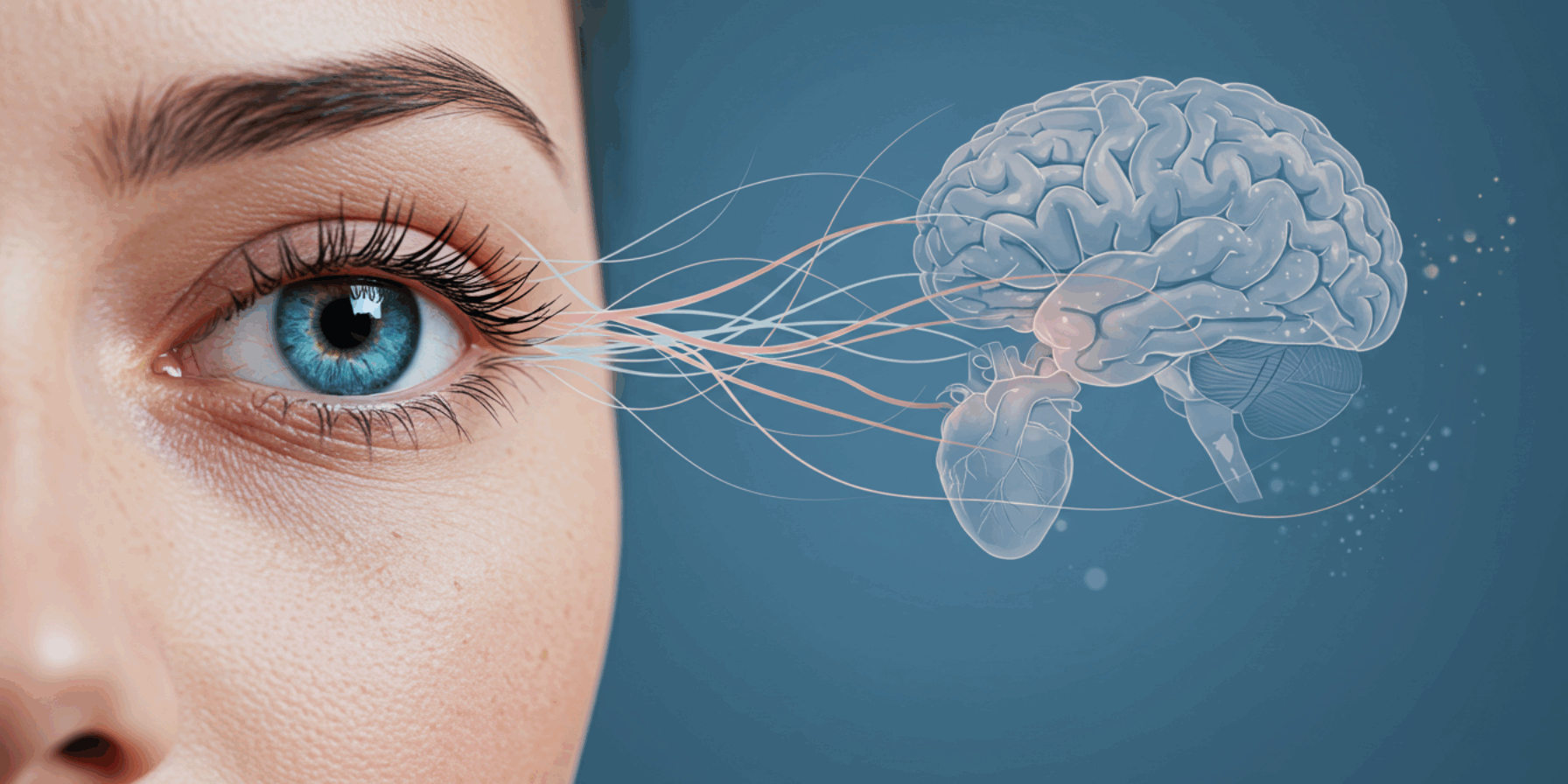
Optometrists don’t just check your vision—we examine the retina (the back of the eye), where blood vessels are clearly visible. Because we frequently examine healthy and abnormal retinas, we can quickly detect warning signs that may point to broader health concerns.
Conditions Optometrists Often Detect Early:
- Hypertension (high blood pressure): Narrowed, twisted, or “curly-whirly” retinal blood vessels can indicate elevated pressure.
- Diabetes: Often detected by observing bleeding, swelling, or abnormal vessels in the retina.
- High cholesterol: Fat deposits may appear in the cornea or retina.
- Autoimmune diseases (like Lupus): Skin changes around the face and eye, such as a butterfly-shaped rash, may be early signs.
- Other systemic illnesses: Sometimes the eye reveals neurological or inflammatory conditions before other symptoms show.
⚠️ Hypertension is often called the “silent killer”—by the time symptoms appear, damage may already be done.
Why Is the Eye So Important in Detecting Disease?
Although it may seem like the eyes are an isolated organ, they are deeply connected to the rest of the body. The eyes contain blood vessels, nerves, and tissues that respond to systemic changes. If something is off in your health, your eyes will often be among the first to show it.
“The body is not a collection of separate parts. It’s a connected system. The eyes are windows into your overall health.”
Monitoring Systemic Disease
In collaboration with ophthalmologists and physicians, optometrists play a key role in monitoring changes caused by systemic disease. For example:
- If diabetic eye disease begins to worsen, we can alert your doctor early.
- If signs of uncontrolled blood pressure show in the retina, this may indicate that your medication needs to be adjusted.
While optometrists do not diagnose or prescribe treatment for systemic diseases, we refer patients to the appropriate specialists when necessary. This collaboration ensures the best outcomes for patient health.
The Takeaway: Your Eyes Reflect Your Health
Regular eye exams do more than determine if you need glasses. They are a crucial part of preventative healthcare. Through early detection, education, and referral, your optometrist can help protect your overall well-being.
✅ Book your comprehensive eye exam not just for vision, but for your long-term health.
We See the Bigger Picture
At our practice, we’re committed to caring for your eyes and your overall well-being. When you take care of your eyes, you’re taking care of yourself—and when you take care of yourself, you’re also taking care of your eyes. (™)