Many people assume that children are too young to wear contact lenses.
The reality is that children can absolutely wear contact lenses in the right circumstances.
Whether a child is a suitable candidate depends on several factors, including their age, maturity, lifestyle, and the reason contact lenses are being considered.
Every child is different, which means there is no single age at which contact lenses become appropriate.
Can Children Wear Contact Lenses?
Yes, children can wear contact lenses safely.
While most medical aids will only contribute towards contact lenses from around 15 years of age, younger children can successfully wear them when clinically indicated.
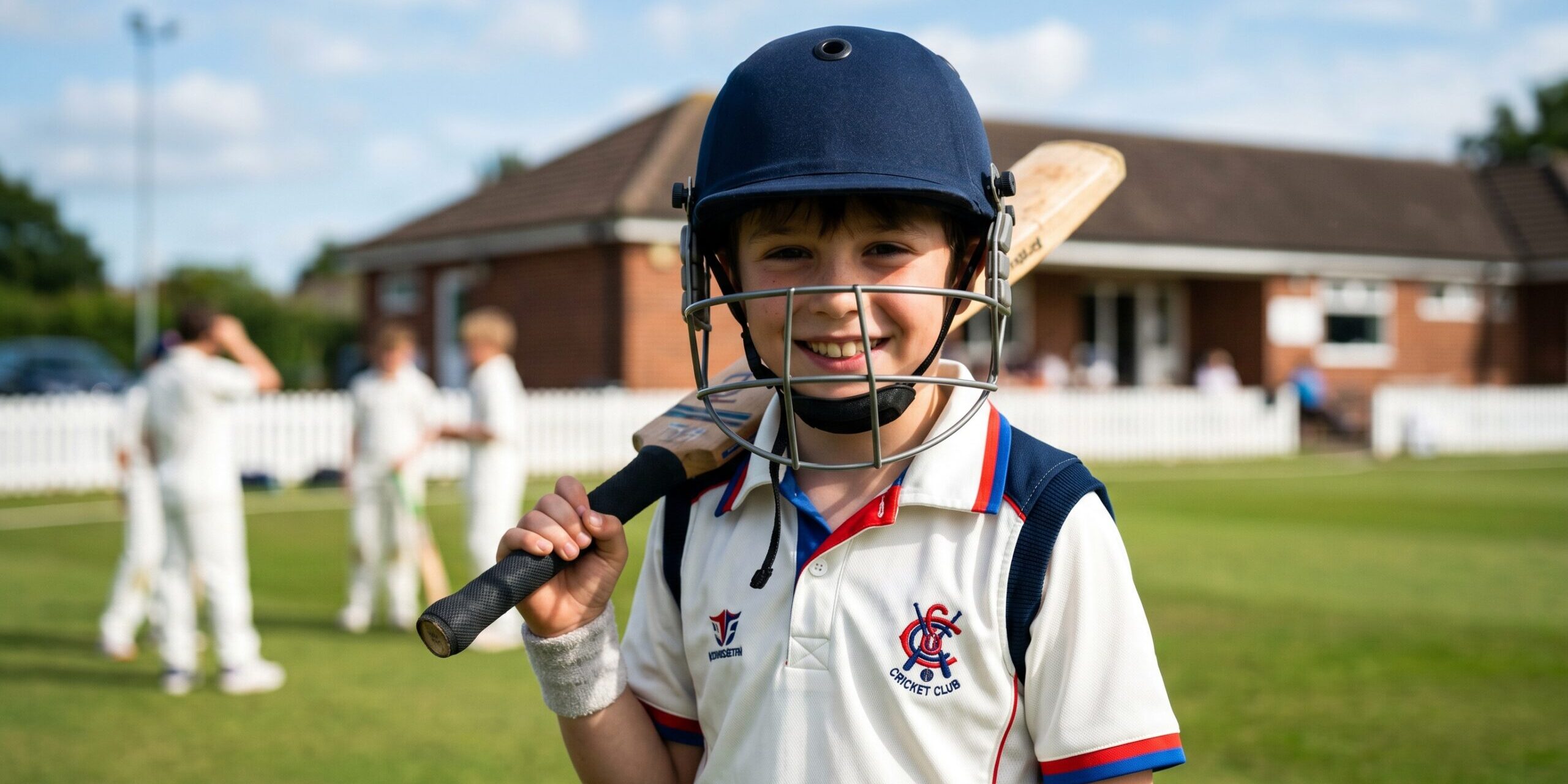
I currently have a patient who is only 9 years old and wears contact lenses successfully.
He participates in a variety of sports and found that his spectacles were creating challenges. His glasses would fog up while wearing a cricket helmet, and he often removed them during rugby matches, making it difficult for him to see clearly.
With assistance from his mother, who inserts the lenses in the morning and removes them in the afternoon, contact lenses have significantly improved his sporting experience and quality of life.
Are Contact Lenses Safe for Children?
Modern contact lenses are designed with excellent oxygen permeability, making them significantly safer and more comfortable than many people realise.
However, safety depends on following proper hygiene and wearing schedules.
Important contact lens safety guidelines include:
- Never sleep in contact lenses.
- Give your eyes a break by wearing spectacles in the evenings.
- Wash your hands thoroughly before handling lenses.
- Store lenses in contact lens solution for the recommended period.
- Never use water to clean contact lenses.
- Avoid swimming while wearing contact lenses unless using properly sealed swimming goggles.
- Attend annual eye examinations to monitor eye health.
When these protocols are followed, contact lenses can be a safe and effective option for many children.
As with adults, success often depends on responsibility, maturity, and support from parents when needed.
When Are Contact Lenses Recommended for Children?
There are several situations where contact lenses may be the preferred option.
Congenital Cataracts
Some babies are born with cataracts.
These cataracts are typically removed as early as possible to allow normal visual development. However, replacement lens surgery often occurs later.
In the meantime, contact lenses are used to provide the visual stimulation necessary for the healthy development of the visual pathways between the eyes and the brain.
Children Who Play Sport
Sport is one of the most common reasons children consider contact lenses.
Spectacles can:
- Fog up during activity.
- Slip during movement.
- Limit peripheral vision.
- Become damaged during contact sports.
For active children, contact lenses can improve comfort, performance, and confidence.
While many practitioners consider contact lenses around 12 years of age, some younger children can successfully wear them when they demonstrate sufficient maturity and have parental support.
Myopia Control
Myopia (short-sightedness) is becoming increasingly common worldwide.
Modern myopia management has become an important area of focus within optometry.
Certain specialised contact lenses have been developed specifically to help slow the progression of myopia in children. These include:
- Soft myopia control contact lenses.
- Orthokeratology lenses.
While the details are beyond the scope of this article, these options are helping many children manage progressive short-sightedness more effectively.
Very High Prescriptions
In some cases, a child’s prescription is so high that spectacles become uncomfortable.
High-powered spectacle lenses can sometimes cause:
- Distortion.
- Dizziness.
- Nausea.
- Reduced visual comfort.
Contact lenses often provide more natural vision and improved comfort in these situations.
The Most Important Factor Is Quality of Life
When considering contact lenses for children, the goal is not simply to replace spectacles.
The goal is to improve vision, comfort, confidence, and overall quality of life.
For some children, spectacles remain the best solution.
For others, contact lenses may provide significant advantages in daily activities, sports, education, and social situations.
Every child should be assessed individually to determine the most appropriate option for their visual needs.
Frequently Asked Questions About Contact Lenses for Children
At what age can a child start wearing contact lenses?
There is no fixed age requirement. Suitability depends on the child’s maturity, responsibility, lifestyle, and clinical needs. Some children successfully wear contact lenses before the age of 10 with parental assistance.
Are contact lenses safe for children?
Yes. Modern contact lenses are very safe when proper hygiene and wearing schedules are followed.
Can contact lenses help children who play sports?
Yes. Contact lenses can improve comfort, vision, and performance in many sports by eliminating issues associated with spectacles.
Can contact lenses slow down myopia progression?
Certain specialised contact lenses are designed to help slow the progression of short-sightedness in children as part of a myopia management strategy.
Should my child have an eye examination before getting contact lenses?
Absolutely. A comprehensive eye examination and contact lens assessment are essential to determine suitability and ensure safe wear.
Key Takeaway
Children can absolutely wear contact lenses when the situation is appropriate.
The decision should be based on the child’s visual needs, maturity, lifestyle, and overall eye health.
If your child is struggling with spectacles, participates in sports, has a high prescription, or may benefit from myopia management, it may be worth exploring whether contact lenses are a suitable option.
Sometimes the best vision solution is not simply seeing more clearly. Sometimes it is about helping a child participate more fully in life.