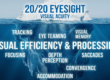
Vision can sometimes feel extremely uncomfortable, but why is that?
One of the biggest contributors is perfect repetition: perfectly straight horizontal and vertical lines, perfect repetitive geometric patterns, and high-contrast designs.
When “Perfect” Design Becomes a Problem for Vision
Minimalism is very popular in modern design. Sleek lines, sharp contrasts, and repeated patterns are often considered aesthetically pleasing. However, for some people, these designs can make vision deeply uncomfortable.
Examples include:
- Patterned tile work
- Geometric artwork
- High-contrast designs
- Kindergartens filled with bright colours are placed in high contrast with one another
These environments may look beautiful, but visually, they can be overwhelming.
Why Reading Can Become Difficult
In a school setting, reading can become particularly challenging. Lines of text in books simulate perfect horizontal lines, with evenly spaced words and consistent spacing between lines.
Certain fonts, such as Times New Roman, can worsen this effect and induce uncomfortable visual symptoms. This can:
- Slow down reading speed
- Reduce comprehension
- Make children and adults alike completely averse to reading
Over time, this discomfort can lead to frustration, avoidance of reading, and even behavioural issues around schoolwork.
What Is Visual Stress?
One of the key reasons this happens is a condition called Visual Stress.
Visual Stress is linked to hyper-excitability of the occipital lobe, the area of the brain responsible for processing visual information. When the brain is overstimulated by repetitive patterns or high-contrast visuals, it can struggle to process information comfortably.
It’s important to note that even people without Visual Stress can still experience discomfort in visually demanding environments.
How Can We Reduce Visual Discomfort When Reading?
While we can’t always change how buildings or classrooms are designed, we can make reading more comfortable.
Helpful strategies include:
- Increasing font size
- Increasing spacing between lines (a 2:1 ratio is often helpful)
- Changing the font to something more comfortable, such as Arial
Font choice is subjective, so experimenting with different fonts is important. This is where electronic readers and tablets can be incredibly helpful, especially for children who struggle with reading.
For a child experiencing reading difficulties, increasing font size and adjusting spacing can dramatically improve reading speed and comprehension.
Digital Settings That Can Help
Simple adjustments can reduce visual strain:
- Switch phones and tablets to dark mode, eye comfort shield, or night mode
- Reduce screen brightness where possible
- Avoid high-contrast white backgrounds for extended periods
Lighting Matters More Than We Realise
Incorrect lighting is another major contributor to visual discomfort.
Some indoor lighting is far too bright, especially for individuals with:
- Sensory sensitivities
- Allergic conjunctivitis
- Dry eye disease
Lighting around 400 lumens with warm tones is generally recommended. When I selected lighting for my own practice, I found 460-lumen lights, which luckily still felt calming and not overwhelming.
The Hidden Problem of Light Flicker
All lights flicker — some visibly, some invisibly.
- Visible flicker can trigger seizures in people with photosensitive epilepsy
- Invisible flicker can still affect the brain, even if the eyes don’t consciously detect it
Think of it this way: your eyes may not see it, but your brain does.
To reduce flicker exposure:
- Remove old fluorescent or halogen lighting
- Use high-quality LED lighting
- Look for lighting specifically labelled as flicker-free
Symptoms That Can Result from Visual Stress
Visual stress and environmental overload can cause:
- Dizziness
- Vertigo
- Nausea
- Headaches and migraine triggers
- Eye strain
- A sensation that words move on the page
These symptoms are often misunderstood or dismissed, but they are very real.
Vision Is More Than Just Glasses
As I often say, vision is far more than just seeing clearly.
Sometimes spectacles alone are not enough. Vision therapy may be required, and the environment we learn or work in can have a profound impact on how we function visually and cognitively.
Do This Next
If you or your child struggles with reading, visual discomfort, headaches, or dizziness, especially in patterned or brightly lit environments, booking a comprehensive eye examination, including assessment for visual stress and binocular vision function, is essential.
Vision can be made more comfortable. And when vision becomes comfortable, learning and daily life become easier.
Frequently Asked Questions About Visual Stress and Eye Discomfort
What is visual stress?
Visual stress is a condition where the brain becomes overstimulated by certain visual patterns, such as repetitive lines, high-contrast designs, or specific fonts. It is linked to hyper-excitability of the occipital lobe, the part of the brain that processes visual information, and can make reading and daily visual tasks uncomfortable.
What are the symptoms of visual stress?
Common symptoms include headaches, eye strain, dizziness, nausea, slow reading speed, words appearing to move on the page, difficulty concentrating, and avoidance of reading or visually demanding tasks.
Can visual stress affect children at school?
Yes. Visual stress can significantly affect a child’s reading ability, comprehension, and academic performance. Children may avoid reading, lose their place on the page, or complain of headaches and eye strain, especially in visually demanding classrooms.
Can visual stress occur even if eyesight is “20/20”?
Yes. Visual stress is not always related to clarity of vision. A person may see clearly on an eye chart but still experience significant visual discomfort due to how the brain processes visual information.
How is visual stress diagnosed?
Visual stress is identified through a full comprehensive eye examination, which includes assessing binocular vision, eye coordination, visual processing, and how the eyes respond to patterns, lighting, and contrast.
Can visual stress be treated?
While visual stress cannot always be “cured,” symptoms can often be significantly reduced through environmental changes, reading modifications, appropriate spectacle lenses, and sometimes specific coloured tinted glasses.
What reading adjustments can help reduce visual stress?
Helpful adjustments include increasing font size, increasing spacing between lines, changing fonts to more comfortable options like Arial, and using electronic devices that allow customisation of text layout.
Can lighting affect visual stress?
Yes. Bright lighting, harsh fluorescent lights, and flickering lights can worsen symptoms. Warm lighting with lower lumens and flicker-free LED lights is generally more comfortable for sensitive visual systems.
Is visual stress the same as dyslexia or ADHD?
No. Visual stress can coexist with learning differences, but it is a separate visual processing issue. A comprehensive eye examination is essential to rule out or identify visual contributors before assuming a learning or behavioural condition.
When should I see an optometrist about visual discomfort?
If you or your child experiences frequent headaches, eye strain, difficulty reading, dizziness, or visual discomfort in certain environments, it is important to book a comprehensive eye examination as soon as possible.